Visit our Location
17 Hanover Road, Building #300
Florham Park, NJ 07932
Give us a Call
Office (973) 240-7251
Fax (973) 585-6078
Open
Monday - Saturday
Rebecca’s Top 5 Supplements to Fortify Your Health This Winter

Rebecca’s Top 5 Supplements to Fortify Your Health This Winter

By: Nurse Practitioner Rebecca Powers

As the days grow shorter and sunlight becomes scarce, our bodies often feel the effects of the colder months. Winter can present challenges such as decreased energy levels and mood fluctuations, making it essential to support our health with the right nutrients. Our Nurse Practitioner, Rebecca, recommends the following top five supplements to help you stay healthy and energized this winter:

1. Vitamin D3/K2

With limited daylight during winter, many individuals lack sufficient sun exposure to maintain optimal Vitamin D levels. This vital nutrient supports a healthy immune system, bone health, and can enhance mood. Supplementing with Vitamin D3, paired with Vitamin K2, ensures proper calcium utilization and offers comprehensive support during the colder months.

2. Omega-3 Fatty Acids (Fish Oil)

Omega-3s are crucial for heart health and reducing inflammation. They also support brain function, and studies indicate they can improve mood during winter months when Seasonal Affective Disorder (SAD) is more prevalent. Additionally, Omega-3s aid in skin hydration, combating the dryness often experienced in cold weather.

3. Vitamin C

A classic immune booster, Vitamin C supports immune health and helps fend off infections. During winter, when colds and flu are more common, maintaining adequate Vitamin C levels is essential for a robust immune system. It also contributes to skin health, keeping your complexion bright and youthful despite the harsh weather.

4. Probiotics

Gut health is closely linked to overall well-being, including immune function and mood regulation. Probiotics help maintain digestive balance during winter, when diet and stress may disrupt gut flora. A balanced gut microbiome also supports better mental health and can reduce symptoms of depression.

5. AHCC (Active Hexose Correlated Compound)

Derived from a unique blend of mushrooms, AHCC is renowned for its immune-boosting properties, making it an excellent addition to your wellness routine during cold and flu season or times of increased stress. AHCC enhances immune function, supports the body’s response to infections, and reduces inflammation. Rebecca recommends taking two capsules twice daily at the first sign of illness or after exposure. It’s not necessary to take AHCC daily; use it specifically when feeling unwell or as a preventive measure.

By incorporating these supplements into your daily regimen, you can help fortify your health against the challenges of winter. Always consult with a healthcare professional before starting any new supplement to ensure it’s appropriate for your individual needs.

You can purchase the recommended supplements through our online portal, or visit Core Therapies to buy them in person.support@coretherapies.net
973-240-7251

Is Cholesterol The Villain We Think It Is?

Is Cholesterol The Villain We Think It Is?

By Dr. Robert Foster, DC

I’m sure that most people reading this have heard of cholesterol and have an idea of its role in heart disease. Cholesterol levels are something that every doctor checks when a patient has a yearly physical and bloodwork. After all, heart disease is currently the leading cause of death in the United States. Statins, the pharmaceutical treatment for high cholesterol, are second only to high blood pressure medications as the most commonly prescribed in this country. As chiropractors, however, we see firsthand how frequently patients on statins experience side effects. Statin drugs reduce CoQ10 levels and mitochondrial function, especially within skeletal muscle, leading to fatigue as well as muscle aches and weakness. As with most medicines, there is a time and a place where they are necessary. But this raises the question: Does a high cholesterol number always indicate the need for a statin? And has your doctor looked at the whole picture before prescribing one to you?

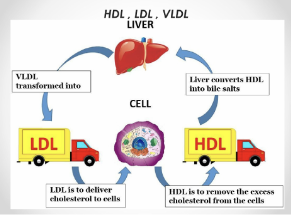
Regarding cholesterol, you may know there is “bad cholesterol” (LDL) and “good cholesterol” (HDL). But did you know that LDL and HDL, which are what we test for in bloodwork, are not actually cholesterols at all? They stand for Low-Density Lipoproteins and High-Density Lipoproteins, respectively. These LDL and HDL molecules transport cholesterol within our body; they are like “taxis” transporting “passengers” from the liver to various parts of the body where the cholesterol is needed. And cholesterol is needed! It is the precursor or building block to many hormones in our body, such as cortisol, vitamin D, and sex hormones like testosterone, estrogen, and progesterone. So, if you’re a male with low testosterone or a female going through menopause, sufficient cholesterol levels are essential. A few decades ago, the accepted level of total cholesterol listed on bloodwork results used to be higher and varied depending on the sex and age of the patient.

To simplify HDL vs. LDL: LDL transports cholesterol from the liver out to the cells and arteries within the body, whereas HDL transports these cholesterol passengers back to the liver, away from the arteries. Ideally, we don’t want too many of these cholesterol “passengers” to enter the arteries, where they can accumulate and block arteries, causing heart disease, which is why more LDL is typically bad. A big caveat here, though, is that to enter the arteries, there is a roadblock that has to do with the size of the individual cholesterol particles. As arteries have walls to keep toxins out, there are small gaps in these walls that allow cholesterol to enter. Think of a small opening or tunnel in this analogy. The smaller the cholesterol molecule, the easier it is to fit into this tunnel or get
inside the artery, where we don’t want it.

For this reason, our risk factor for heart disease depends not just on the quantity or number of the “bad” LDL, but also on how many of these LDLs are small vs. big, with smaller equating to higher risk. So, wouldn’t it make sense to test our blood for not just the amount of cholesterol and LDL, but also the size of these LDL particles? Well, this test does exist, but unfortunately, most primary care doctors do not order them.

Now, let’s say this cholesterol “particle-size test” comes back with high quantities of the “bad” small-sized LDL particles. Does this immediately mean you should go on a statin? Maybe, but while you may have more cholesterol particles getting into the arteries, we still don’t know how badly they are accumulating or causing “plaques” along with fats and calcium. However, again, there is an advanced test for this called a calcium score. This “score” correlates to the level of plaque, which hardens and narrows your blood vessels.

If these tests all come back with news of elevated risk for heart disease, then a statin may be in the discussion. But there are also non-pharmaceutical interventions that can be attempted first. For example, there are some natural supplements that can have the same effects as a statin and often may achieve the same outcome of reducing cholesterol. On top of this, lifestyle changes and assessing hormones that impact our need for cholesterol can help as well. While there is a little more to this, including genetics like familial hypercholesterolemia, it’s a fair summary of further steps that should be taken. If you would like to learn more about these natural approaches or have thorough testing done to examine your true risk for heart disease, you can schedule a functional medicine appointment where we can do a deep dive into this and more.

Common Conditions Affecting Men and 5 Easy Actions You Can Take

Common Conditions Affecting Men and 5 Easy Actions You Can Take

For years, the Movember charity group has been spreading awareness about prostate and
testicular cancer, as well as mental health. Unfortunately, they report that “1 in 8 men will be
diagnosed with prostate cancer at some point in their lives.” They emphasize the importance of
preventative measures like consistently checking your PSA (Prostate-Specific Antigen) levels
through bloodwork and getting a prostate exam by age 50—or 40-45 if you have genetic or
ethnic risk factors. For more information on the incredible work Movember does and additional
preventative measures, please visit their website.
With this in mind, I’d like to address some common symptoms and conditions that many men
experience, along with a few simple, actionable changes they can make. Beyond metabolic
issues like diabetes, high blood pressure, and cholesterol, many men face a natural hormonal
decline as they age. Most commonly, reductions in thyroid hormone and testosterone affect
quality of life and overall vitality.
Common complaints include persistent fatigue, low energy levels, brain fog, irritability, mood
swings, reduced sex drive, erectile dysfunction, and difficulty losing weight. Many men are
prescribed medications for these issues without receiving sufficient education on lifestyle
changes that can have a similar impact. Below are five easy, mostly low- or no-cost strategies
that can make a significant difference.

  1. Optimize Your Sleep
    We often hear we need at least 8 hours of sleep each night, but sleep quality and timing
    are equally crucial. Deep sleep is essential for physical restoration, immune system
    strengthening, and hormone production, while REM sleep benefits cognitive functions
    and mental health. Deep sleep occurs primarily in the first half of the night, while REM
    sleep is concentrated in the latter half. Going to bed earlier can maximize both deep and
    REM sleep. Bonus tip: If you’re dealing with stress or high cortisol, aim to sleep between
    10 pm and 1 am when your adrenals repair.
    Zero or Low-Cost Suggestions:
    ○ Be consistent with sleep timing, and get sunlight in the morning to help regulate
    your circadian rhythm.
    ○ Create a relaxing pre-sleep routine like reading, doing breathing exercises, or
    taking a warm shower.
    ○ Sleep in a cool, dark room (67-70°F is ideal), use blackout curtains or a sleep
    mask, and avoid blue light exposure before bed. Pro tip: Orange or red blue-light-
    blocking glasses are especially effective for nighttime.

○ Advanced Option: Consider using a sleep tracker like an Oura Ring, Whoop
band, or Apple Watch for sleep insights.

  1. Reduce Sugar and Clean Up Your Diet
    The average American’s sugar intake is staggering, and it impacts both blood sugar and
    cholesterol. Excessive sugar can lower HDL (good cholesterol) and raise total
    cholesterol, triglycerides, and LDL (bad cholesterol). Studies show that a lower-carb diet
    focused on quality fats and protein can improve cholesterol profiles and blood sugar
    levels. Bonus tip: After a high-carb or sugary meal, take a 20-30 minute walk to reduce
    the blood sugar spike.
  2. Limit Scented Products and Cologne
    Reducing exposure to endocrine-disrupting chemicals can protect your hormone levels.
    Many everyday products contain BPA and phthalates, which impact hormone health.
    BPA is still found in plastics like water bottles and food containers, while phthalates are
    present in fragrances, scented candles, colognes, air fresheners, and some soaps and
    detergents. Opt for fragrance-free or naturally scented products to help lower these
    exposures.
  3. Filter Your Water
    Environmental toxins, including endocrine disruptors, often end up in our drinking water.
    Heavy metals such as mercury, cadmium, arsenic, and lead can seep into tap water,
    along with trace amounts of medications like birth control. A quality water filter can make
    a big difference. Options range from countertop filters like Hydroviv to more
    comprehensive solutions like whole-house filtration systems.
  4. Get Comprehensive Bloodwork to Evaluate Your Hormones
    Hormones often begin to decline in our 30s and 40s, impacting energy, mood, and
    vitality. If you’re experiencing symptoms of low testosterone, be sure to get both “Total
    Testosterone” and “Free Testosterone” levels checked, as free testosterone represents
    the active form. Similarly, a complete thyroid panel is more informative than a single
    TSH test, especially for hypothyroid conditions. Advanced cholesterol tests, which
    assess particle size and shape, provide a clearer view of heart disease risk beyond
    standard HDL/LDL measurements.
    If you have questions about how functional medicine can benefit you, or if you’re interested in a
    comprehensive evaluation, please call our office to schedule an appointment with Dr. Robert
    Foster.