Visit our Location
17 Hanover Road, Building #300
Florham Park, NJ 07932
Give us a Call
Office (973) 240-7251
Fax (973) 585-6078
Open
Monday - Saturday
Making Halloween Fun for Every Child

Making Halloween Fun for Every Child

Halloween Tips from an Occupational Therapist: 

By: Rachel Kelly

Halloween is full of excitement—costumes, candy, decorations, and neighborhood fun! But for children with sensory, motor, or regulation differences, all that excitement can sometimes feel overwhelming.

With a little preparation and flexibility, Halloween can be fun and enjoyable for every child.

Quick OT Tips for a Successful Halloween:

• Keep costumes comfortable

Choose soft clothing, remove tags, and let your child practice wearing the costume before Halloween. Favorite pajamas or everyday clothes can make great costumes too!

• Practice trick-or-treating

Role-play at home, practice saying “trick or treat” and “thank you,” and take a daytime walk around the neighborhood so your child knows what to expect.

• Think beyond candy

Food allergies, dietary needs, and preferences can make candy difficult. Consider bringing safe snacks or offering non-food treats like stickers, bubbles, glow sticks, Play-Doh, or fidgets.

• Prepare for sensory overload

Loud sounds, flashing lights, crowds, and spooky decorations can be overwhelming. Preview the neighborhood, bring noise-reducing headphones, and remember that it’s okay to skip a house.

• Build in breaks

Take quiet breaks, offer a drink or snack, and use a stroller or wagon for tired little legs. There is no required number of houses or amount of time you need to trick-or-treat!

Halloween Can Be Celebrated in Many Ways

If trick-or-treating isn’t a good fit, try pumpkin decorating, a costume fashion show, a Halloween movie night, sensory play, a glow-stick dance party, or a neighborhood “I Spy” walk.

The goal isn’t a perfect Halloween—it’s creating a Halloween that works for your child and your family. ❤️

Sometimes the traditions we create ourselves become the ones our children remember most.

Sleeping Better and Feeling Better

Sleeping Better and Feeling Better

by Dr. Sonia Marques

We all know how important sleep is to our overall wellbeing. Along with making healthy lifestyle choices, sleep is a crucial factor to longterm health. The more consistently you can achieve quality sleep, the less at risk you are for chronic disease. Lack of adequate and quality sleep can negatively impact daytime energy levels, productivity, brain and heart function, immune system function, emotional wellbeing and weight. Additionally, individuals who know how to get a good night’s rest (and prioritize it too) also have an overall higher quality of life, citing that virtually everything in their life is better, from sex to skin.

Knowing how important sleep is, and then not being able to get a good night’s sleep, only makes matters worse. In fact, stress and worry are a couple of the main reasons why people have a difficult time getting to sleep and then staying asleep throughout the night. Unhealthy daytime habits and choices can also leave you tossing and turning throughout the night.
Similarly to how nighttime habits affect the way you feel during the day, what you do during waking hours can lead to sleep difficulties.

However, no matter how long you’ve struggled with getting quality sleep, it’s important not to
give up. There are so many factors that play a role in how you sleep (and how well you sleep),
which often means you just haven’t found the right combination for your body and mind.

Below are 5 proven techniques to help you achieve a restful and restorative sleep routine:

Step 1

Get comfortable. From the clothes you wear to the sheets you use, what you physically feel in bed is important. Keep your room cool and quiet. Consider upgrading your sheets and bed linens to ones that are hypoallergenic, breathable, and capable of regulating temperature, like organic linen or cotton. A comfortable and supportive pillow and mattress are also very important components to physical comfort throughout the night.

Step 2

Be consistent. Get in sync with your unique sleep-wake cycle (circadian rhythm). Try to go to sleep and wake up at the same time every day, even on weekends. If naps are part of your routine, limit them to about 20 minutes in the early afternoon, although in general it is best to avoid napping as it disrupts nighttime sleep.

Step 3

Control light exposure. Expose yourself to bright sunlight in the early morning and as much sunlight as possible throughout the daytime. If it’s not possible to do this, consider a light therapy box that simulates sunshine. Limit nighttime exposure to screens (blue light) and keep your room as dark as possible when it’s time to sleep. If you must utilize a backlit device prior to bedtime, consider using blue light glasses. Melatonin is a naturally occurring hormone controlled by light exposure that is secreted more at night (to make you sleepy) and less during the day (to make you more alert).

Step 4

Increase exercise during the day. It seems obvious, but the more physically tired your body is, the easier it is to fall (and stay) asleep at night. Ideally try to finish moderate or vigourous physical exercise at least 3 hours prior to bedtime to avoid interfering with sleep. And remember to be patient as it can take several months of regular activity before you begin to experience the complete sleep promoting benefits.

Step 5

Clear your head. Whether this means meditation, taking a warm bath or listening to relaxing music, try to calm your mind from the overstimulation of the day. Avoid stimulating activities, such as checking social media or emails, close to bedtime as it becomes difficult to unwind when your mind is accustomed to seeking fresh stimulation.

Is Your Youth Athlete Doing Too Much?

Is Your Youth Athlete Doing Too Much?

By Dr. Matt McGowan, DC

Youth sports offer incredible benefits for children — improved confidence, teamwork, discipline, physical fitness, and social connection. But in today’s competitive athletic culture, many young athletes are participating in year-round sports schedules with little time for recovery. Unfortunately, this increase in training intensity and specialization is also contributing to rising rates of overuse injuries and burnout in children and teens.

At Core Therapies, we believe the goal of youth sports should be long-term health, enjoyment, and lifelong movement — not sacrificing a child’s physical or emotional well-being in pursuit of unrealistic expectations.

The Growing Problem of Overuse Injuries

Unlike adults, children’s bodies are still developing. Growth plates, tendons, and muscles are more vulnerable to repetitive stress injuries. Research shows that approximately 50% of new injuries in pediatric sports practices are caused by overuse injuries rather than acute trauma.

During periods of rapid growth, children may temporarily lose coordination and flexibility while muscles struggle to keep up with bone growth. This creates muscle imbalances and increases injury risk if training intensity remains too high.

Why Early Specialization Isn’t Always Better

Many parents understandably hope sports participation may help create future opportunities, including college scholarships. However, the reality is often very different.

According to available statistics:

  • Less than 4% of high school athletes in major sports will compete at a Division I or II level.
  • Only 1 in 100 high school athletes receives a Division I athletic scholarship.
  • The average scholarship often covers only a portion of tuition costs.

In many cases, the financial investment in private coaching, travel teams, camps, tournaments, and specialized training exceeds the value of the scholarship itself.

The Benefits of Multi-Sport Participation

Research increasingly supports sport diversification instead of early specialization.

Experts recommend the following developmental progression:

  • Ages 6–12: Sampling multiple sports and emphasizing play
  • Ages 13–15: Gradual specialization
  • Ages 16+: Focused investment in a primary sport if desired

Children who participate in multiple sports often develop:

  • Better overall athleticism
  • Improved coordination
  • Reduced repetitive stress
  • Greater enjoyment of movement
  • Lower burnout rates

Multi-sport athletes also tend to build broader movement patterns and reduce overuse on specific joints and muscle groups.

However, even multi-sport athletes can become overtrained if there is no true downtime between seasons or if multiple sports heavily stress the same body regions — such as baseball pitching and swimming.

Signs of Burnout in Young Athletes

Burnout is more than physical fatigue. It can affect emotional health, motivation, and even academic performance.

Warning signs may include:

  • Chronic soreness or fatigue
  • Decreased performance
  • Irritability or mood changes
  • Frequent injuries
  • Trouble sleeping
  • Loss of enjoyment in sports
  • Anxiety surrounding practices or games
  • Declining school performance

When sports stop being fun and begin feeling like a constant obligation, it may be time to reevaluate participation levels.

How can you help manage your young athlete’s participation levels?

The American Academy of Pediatrics recommends several important guidelines to help reduce overuse injuries and burnout:

Prioritize Rest

Young athletes should have:

  • 1–2 days off each week from organized sports and training
  • 2–3 months away from a specific sport each year

Rest is essential for physical recovery, nervous system regulation, and mental well-being.

Avoid Rapid Training Increases

Training volume should increase gradually — no more than 10% per week.

This applies to:

  • Running mileage
  • Practice time
  • Weight training
  • Tournament participation
  • Repetitions or intensity

Whenever possible, athletes should participate on only one team per season. Multiple leagues, travel teams, and private training sessions can quickly overload a child’s recovery capacity.

One general guideline that can help you manage their overall load is to use their age as an hourly participation cap.  What this means is if your athlete is 10 years old, add up all of their sports participation per week and see if it exceeds 10 hours.  (In general you do not have to include gym or recess time unless your athlete has been prone to injury.)  If they are regularly participating in total hours greater than their age week in and week out, they are more likely to develop overuse injuries.  

How Chiropractic Care Supports Young Athletes

At our office, we work with young athletes to support healthy movement, recovery, and injury prevention. Chiropractic care can help identify movement imbalances, improve mobility, support posture, and assist the body’s natural recovery processes.

We also help families recognize when training schedules may be exceeding a child’s ability to recover.

Every child develops differently. Supporting the nervous system, movement quality, rest, nutrition, and recovery all play an important role in helping young athletes stay healthy and enjoy sports safely.

Mother’s Day Isn’t Always About Brunch

Mother’s Day Isn’t Always About Brunch

By: Dr. Meagan McGowan, DC


Mother’s Day doesn’t always look like brunch reservations and sundresses.

Sometimes it looks like a folding chair on the sidelines of a soccer field.

A lukewarm coffee in your hand.

A hurried “Happy Mother’s Day” between whistles, snacks, and sunscreen.

And from the outside, it might seem like the day is about them—your kids, their games, their schedules, their joy.

But if you pause for just a second, you realize… it’s about you, too.

It’s about everything you’ve poured into those small humans so they can go out and do the things they love.

The early morning games. The late-night registrations.

The endless cycle of ordering the right gear in the right size at the right time.

The mental load of keeping it all moving.

It’s millions of tiny decisions no one sees.

And somehow, in the middle of all of that… you’re supposed to remember yourself, too.

I am a mom first.

A healthcare provider is a very close second.

Although, if I’m being honest, there are days it feels like that order flips—and with it comes guilt.

The kind of guilt that whispers:

You should be more present.

You should be doing more.

You should be better at balancing it all.

We want to be 100% in every direction.

Some days, we are.

Other days… we fake it until we make it.

And that’s okay.

This is the conversation I hear often in my treatment room.

Moms don’t always come in because of a major injury.

They come in because something feels… off.

They feel short-tempered.

Utterly exhausted.

Disconnected from themselves.

Unsure of what direction to even go next.

And then, for a moment in their day, they lie down.

Maybe for the only time that day, they are receiving something just for them.

Through bodywork, through a chiropractic adjustment, through intentional care—they pause.

They breathe.

They begin to tune back in.

And sometimes, they need reminders to let go.

And slowly, they do.

Then something shifts.

They sit up.

They take a deep breath.

And they leave just a little lighter than when they came in.

Their nervous system feels steadier.

More regulated.

More like themselves again.

And from that place—they go back into their world.

Back to the sidelines. Back to the schedules. Back to their families.

But different.

Refilled. Reconnected. Regrounded.

So this Mother’s Day, whether you’re at brunch or on the sidelines…

Remember this:

Taking care of yourself is not a luxury.

It’s not something you earn after everything else is done.

It’s part of how you show up for everything—and everyone—you love.

You deserve moments that are just for you.

Moments to breathe. To reset. To feel like yourself again.

Not just today. But always.

Happy Mother’s Day.

Why Spring Allergies Hit Hard and What Your Body Actually Needs

Why Spring Allergies Hit Hard and What Your Body Actually Needs

By: Rebecca Powers, MSN, FNP-C, APRN

As we move into spring, a lot of people start noticing the same symptoms showing up. Congestion, sinus pressure, watery eyes, fatigue. It’s easy to label it as allergy season and leave it at that, but there is usually more going on underneath the surface.

What you’re experiencing is your immune system reacting to a change in your environment. For some people, that response is mild. For others, it can feel like it completely throws off their day.

Instead of only looking at allergies as something to suppress, it can be helpful to look at them as a signal. Your body is responding, and often it is asking for more support.

Allergies are an immune response. When your body comes into contact with things like pollen, it identifies them as a threat and releases histamines to protect you. That response is what creates the symptoms you feel.

You might notice:

  • Inflammation in your sinuses
  • Increased mucus production
  • Fatigue or brain fog
  • Irritated eyes or skin

The intensity of those symptoms often depends on how well your body is able to regulate inflammation and process what it is exposed to.

For many people, symptoms feel worse some years than others. That is not random. It is usually connected to what your body is already dealing with before allergy season even begins. Things like toxin load, stress, gut health, and nutrient levels all play a role.

When the body is already working harder than it should be, even small triggers can create a bigger reaction. That is why simply trying to dry up symptoms does not always solve the problem.

The goal is not just to get through allergy season. The goal is to support your body so it can respond in a more balanced way.

Some of the most helpful ways to do that are actually very simple:

  • Stay hydrated. Fluids help thin mucus and support your body’s natural detox pathways
  • Focus on reducing inflammation through nutrition and daily habits
  • Support detox pathways like the liver, lymphatic system, and skin
  • Prioritize rest and nervous system balance, since stress can make your body more reactive

When you support these systems, your body becomes more resilient and less reactive overall.

This is also where IV therapy can be a helpful tool. Instead of guessing what your body might need, IV therapy allows us to deliver hydration, vitamins, and nutrients directly into your system in a way that is easily absorbed and used.

During allergy season, this can help support immune function, reduce inflammation, improve energy, and assist your body in processing what it is exposed to more efficiently.

At Core Therapies, we look at each person individually and tailor support based on what your body needs, especially during times when symptoms tend to flare.

Allergy symptoms may be common, but they are not something you just have to push through. When you shift the focus from suppressing symptoms to supporting your body, you often start to see a different experience.

Less reactivity, more balance, and better overall energy.

If you are noticing that your symptoms feel stronger this season, it may be a sign to take a closer look at what your body is asking for.

Our team is here to help guide you through options that support your system in a way that makes sense for you.

👉 Call the office to learn more or schedule a visit.

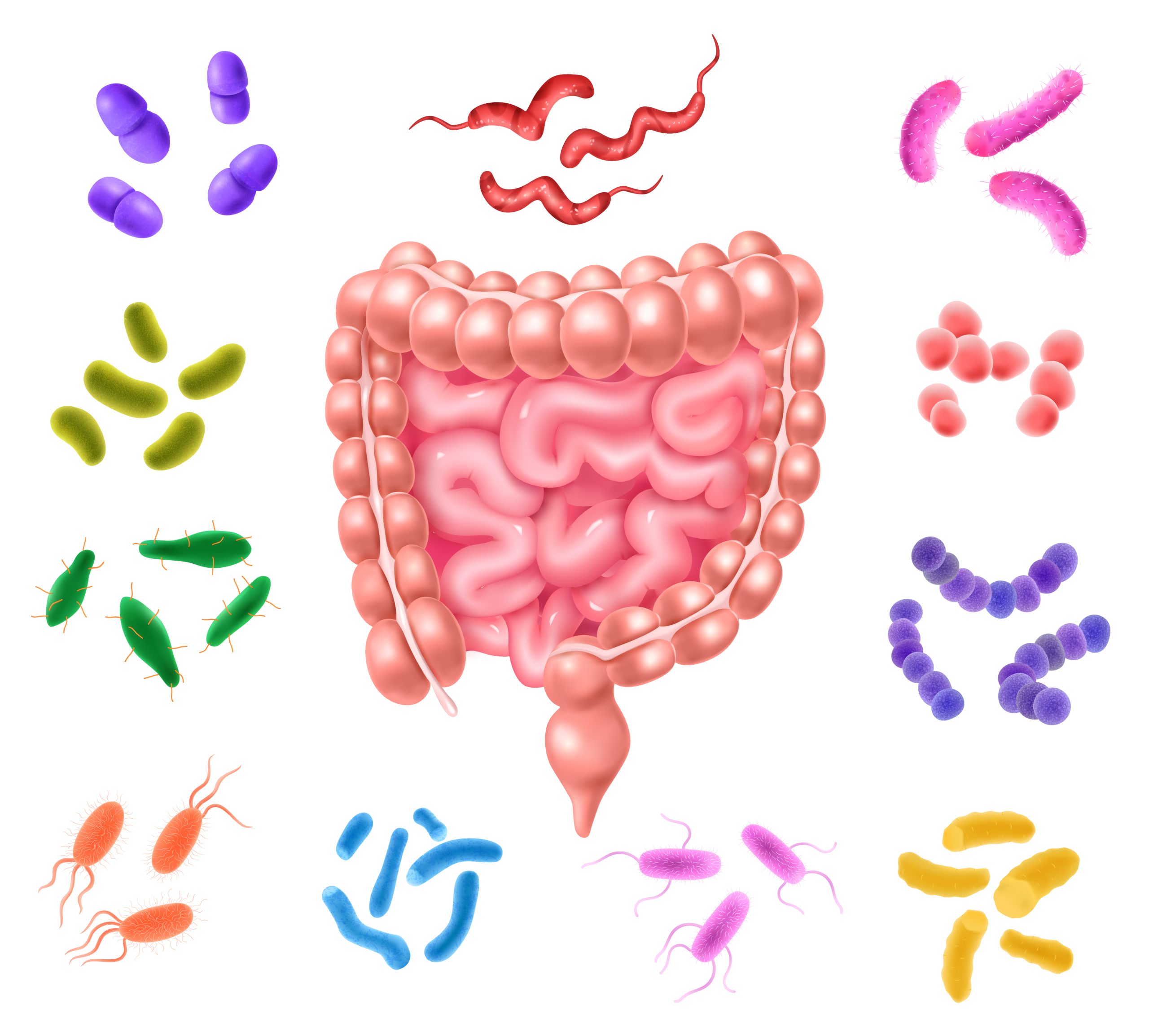
Parasites – Are They Real? Do I Have Them?

Parasites – Are They Real? Do I Have Them?

By: Dr. Bob Foster

If you’ve spent any time on social media lately, you’ve probably seen bold claims about different detoxes, especially parasite cleanses. According to influencers, parasites are the hidden root of fatigue, weight gain, hormone imbalance, anxiety, brain fog, acne, and just about everything else.

So is all this parasite buzz real? I thought we can only get parasites in third world countries?! Unfortunately, yes, many Primary Care Providers will tell you it’s highly unlikely to get a parasite in this country. But honestly, we all come into contact with parasites on a fairly regular basis. Through our food, our water, etc. It is not uncommon, even here in the U.S.

But that begs the question – if this is true, why doesn’t everyone have parasites – or why isn’t everyone suffering from symptoms of parasites?

This is the million-dollar question. And the answer is that parasites are “opportunists,” meaning that they survive and flourish when our natural defenses are down and the opportunity is there to thrive. These natural defenses include things like sufficient stomach acid and a healthy immune system (not just in our body, but the immune response within our gut lining/wall). And most importantly, it pertains to the terrain within our intestines. Meaning, is our digestion optimal? Are we having regular bowel movements? Is there a balanced “microbiome” – the population of good and bad bacteria, etc.? On top of that, balanced minerals and a healthy nervous system are other factors which help to lower our risk for such parasites or bad bugs.

So the important context here is that parasites are rarely the first domino to fall. They are scavengers which need the right environment to survive. And that term scavenger is important because what these influencers often fail to mention is that parasites scavenge or soak up many toxins such as heavy metals, among other things. So if you hop into doing a trendy “parasite detox,” be careful. While many of them do utilize many effective tools like antimicrobial herbs to kill off these bad guys, once you do so, these parasites do not go down without a fight. And as they die off, they release toxins such as heavy metals and other things. Which is why many people commonly get detox reactions (which we call “die-off” reactions or Herx reactions).

This is why the most important part of any detox, and parasite protocols more than others, is to first prep your body, clean up your cells and gut first, and ready your body for a detox.

So what do we mean by cellular cleaning and detox prep? Well first, we need to make sure that we are able to mobilize and eliminate toxins…

  • Are you having healthy, well-formed daily bowel movements?
  • Are you drinking enough fluids and producing adequate urine?
  • Are your liver and kidneys functioning optimally?
  • Is your lymphatic system moving?
  • Are you exercising and sweating regularly?
  • And further: is our nervous system balanced, or are we constantly in a state of fight or flight, which hinders our ability to detox and heal?

Your body already has built-in detox systems. The goal is not to override them — it’s to support them.

With the right support and guidance, these are steps that anyone can take, as long as it’s done the right way. And that is what we are here for.

If you would like to further explore your options in doing a supported detox or clean-up, please call the office to schedule a Functional Medicine appointment with Dr. Foster.

Your Health, Love Your Life

Your Health, Love Your Life

By Dr. Jason Sonners

February tends to center around love—chocolates, roses, connection. But let’s zoom out for a minute. The foundation of real connection, of meaningful relationships, starts with how you care for yourself. When your energy is strong, your brain is clear, your body feels balanced—that’s when you have the capacity to show up fully for the people in your life. That’s when everything starts working better—including your love life.

This month, we’re highlighting the concept of therapy stacking—combining specific modalities like Hyperbaric Oxygen Therapy (HBOT), Red Light Therapy, and IV Nutrient Therapy to optimize your health on multiple levels. These aren’t just isolated treatments—they’re synergistic tools that amplify each other and create exponential results.

Stacking for Synergy: HBOT, Red Light & IV Therapy

Each of these therapies plays a unique role in supporting your cellular function and overall vitality:

  • Red Light Therapy enhances mitochondrial output, meaning your cells produce more energy. It’s anti-inflammatory, great for skin health, and can even help reset circadian rhythms—which matters for recovery, focus, and intimacy.
  • Hyperbaric Oxygen Therapy delivers concentrated oxygen under pressure, driving it deep into your tissues. It accelerates healing, improves brain function, enhances detox pathways, and helps the body repair itself on a cellular level.
  • IV Nutrient Therapy gives your system a direct infusion of vitamins, minerals, and antioxidants—supporting immunity, energy, and cellular resilience without relying on digestion or absorption.

Used together, these therapies don’t just layer—they interact. Red light boosts mitochondrial function, which makes your cells better at using oxygen and nutrients. HBOT improves the delivery of those nutrients. IV therapy feeds the system while it’s being primed to absorb and regenerate.

It’s not just additive—it’s exponential.

Healthy People Build Healthy Relationships

When your system is underperforming—low energy, poor sleep, brain fog—it’s hard to connect, let alone thrive in your relationships. But when your body is regulated, your mind is sharp, and your energy is consistent, you’re more patient, more present, and more engaged.

This isn’t just about improving libido or skin tone (though those often happen). It’s about building the physiology of connection. And that begins with optimizing your health at the cellular level.

This February: Stack with Intention

If you’ve never experienced therapy stacking, now is the perfect time. We’ve created targeted February wellness protocols to help you reset, recharge, and reconnect.

Whether your goal is to:

  • Restore energy and focus
  • Support cardiovascular and hormone health
  • Enhance recovery and resilience
  • Or simply show up more powerfully in your relationships…

…this is your opportunity.

You can’t pour from an empty cup. Let’s start by filling yours.

Reach out to the office or schedule online to learn more about our February Health & Love Packages. Your health is the foundation. Let’s build your health from there, together