Visit our Location
17 Hanover Road, Building #300
Florham Park, NJ 07932
Give us a Call
Office (973) 240-7251
Fax (973) 585-6078
Open
Monday - Saturday
Fall Is Here – Time to Protect Your Spine and Nervous SystemBy Dr. Sebastian Poma, DC

Fall Is Here – Time to Protect Your Spine and Nervous SystemBy Dr. Sebastian Poma, DC

Fall has arrived—and with it comes more than just the turning leaves. For many of us, this is a season of shifting routines, ramped-up demands, and increased physical stress. Between back-to-school obligations, long commutes, yard cleanup, and the looming cold-and-flu season, your spine and nervous system are taking more hits than you might realize.

Here’s the deal: when your spine is misaligned, you don’t just get aches and pains—it undermines the primary driver of your body’s resiliency: the nervous system. A misaligned spine disrupts signals, increases tension, and limits your body’s ability to respond effectively to stressors. Translation: when you’re out of alignment, your immune system, posture, and capacity to move without injury all take a hit.

That’s why now is the perfect time for a seasonal adjustment. Here’s what proactive chiropractic care can do for you and your family:

  • Boost your immune system: Regular adjustments allow your nervous system to function with fewer interferences, which means your body can respond to infections, viruses and stress more effectively. Think of it as clearing the communication lines so your system can focus on defense vs. damage.
  • Protect your kids’ posture: Heavy backpacks, long hours studying at desks or screens, slouching behind computers—all these are posture killers. When their spine alignment and nervous system regulation are maintained, they’re less likely to develop stresses that lead to bigger problems later.
  • Prevent injuries from yard-work or weekend projects: Whether you’re raking 100 bags of leaves, hauling firewood, or planting bulbs, your body is under load. A spine that’s structurally sound, mobile and balanced is far better prepared for these tasks—and far less likely to trigger a nagging injury that ruins your fall or winter.

Here’s the bottom line: waiting until you’re in pain means you’ve already passed “maintenance” into “repair mode.” That repair mode takes longer, costs more, often demands more downtime. Proactive care keeps you stronger, longer, and lets you live the season vs. survive it.

At Core Therapies, our goal is simple: keep your body moving, keep your nervous system clear, and maintain the structural foundation that supports everything you do—from work to family time to weekend adventures. Whether you’re a busy parent, a commuter, an athlete, or simply someone who refuses to slow down in the fall—an adjustment now is a signal to your body that you value its health and capacity.We’re ready to help you and your family stay healthy, active, and aligned this season. Don’t let seasonal stress sneak up on your spine and nervous system. Let’s ensure your foundation is solid, so you don’t have to fight to get back on track. Call us, schedule your adjustment, and let’s make this fall the one where you helped your body win the season instead of playing catch-up.

Weighted Vests—Fad or Bone-Health Fix? By: Rachel Kelly

Weighted Vests—Fad or Bone-Health Fix? By: Rachel Kelly

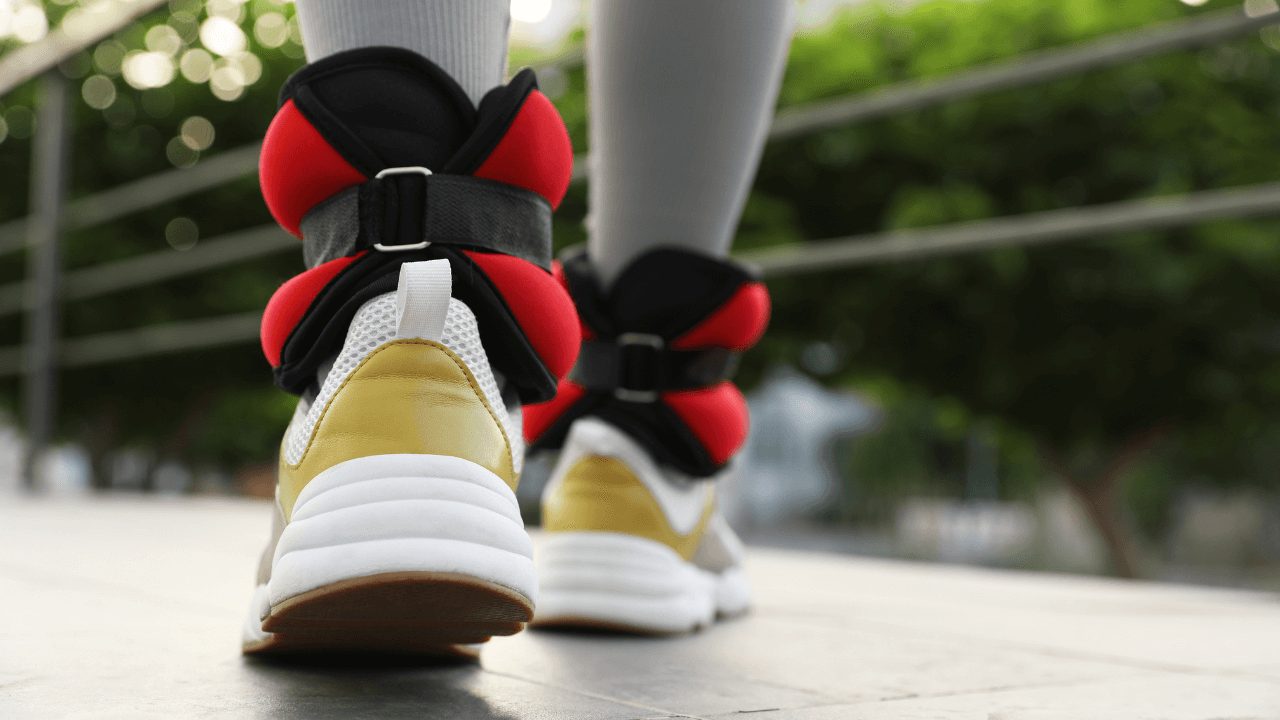
I can’t be alone in saying that the health and fitness industry ebbs and flows quite frequently. There is always a new gadget, get fit quick method or top exercise. But has anyone taken a peek out their car windows lately? Is it just me or is everyone walking? Well, not just walking but wearing a weighted vest and walking.

If you are a Gen X or Millenial, you have probably considered the newest fad, weighted vests. But is this a social media craze or a health benefiting tool? Weighted vests are gaining popularity particularly among individuals looking to enhance bone health, increase calorie expenditure, and improve overall wellness. However, the question remains: is walking with a weighted vest merely a passing fad, or does it provide substantial, research-supported advantages—especially for post menopausal women and those worried about bone density? Lets take a deep dive into weighted vests:

When estrogen levels decrease during menopause, bones will begin to be broken down and the rate at which your body tries to regenerate it can not keep up. This may result in a decline in bone density, with losses reaching as high as 20% throughout menopause. This increases the risk of conditions such as osteoporosis and fractures. As there are typically no symptoms until a fracture happens, focusing on prevention is crucial. Tools like weighted vests can come in handy, increasing load on your bones safely and gradually. Weighted vests along with a healthy diet, and supplements such as Vitamin D and Calcium are great ways to enhance bone density.

Research is still developing in the areas of weighted vests and menopause. Considerations should be based on your overall comfort, symptoms and any diagnosis that you may be facing. For those with Pelvic Organ Prolapse, you may have been told don’t load. This can be very individualized. Please follow up with me if you have any questions in this area. When activities and weight lifting are paired with mindful movements and pelvic floor exercises, the benefits may outweigh the outcome.

How to Safely Choose YOUR Weighted Vest:
1. Start Light- weight should be 5-10% of your body weight –  Always consider your limitations, posture, balance and joint comfort.
2. Check in with Rachel or a fellow Core Therapies Chiropractor if you have any wearing questions or concerns – You can always progress when you are feeling comfortable and your body is ready for an increase.

While this was not a blog to have you run out and buy a weighted vest, prioritizing your health fad or not is very important. Whether your strapping on a weighted vest or grabbing some dumbells, weight training continues to be the gold standard for bone health. Weighted vests can be a low risk tool to better your overall health.

Social Media and Addiction by Anxiety

Social Media and Addiction by Anxiety

by Dr. Sonia Marques

We are all aware of the addictive elements to social media.  While it opens us up to connection and opportunities to learn, it can also leave us feeling depressed and anxious.  One thing is certain, it is easy to fall down the rabbit hole of mindless scrolling.  Social media’s dirty little secret is this….addiction by anxiety.

While past explanations have pointed to the dopamine chemical being responsible for the positive feelings associated from ‘likes’, recent discussions in neuroscience reveal that this an oversimplification of the process.  In fact, our addiction to  scrolling is more likely controlled by ‘stress hormone’ cortisol rather than ‘feel good’ dopamine.  Although we do like the reward of dopamine that’s released when something makes us feel good, why do we continue to scroll when things make us feel worse? Social media is curated to provoke strong emotions, whether it’s alarming news, political outrage or curated idealized lifestyles.  These inputs heighten our anxiety and stress responses, leading to a steady low drip of cortisol that keeps us in a a low level crisis state.

So why are we addicted to the stress and anxiety if it makes us feel badly? We are addicted to the emotional stimulation itself and the familiarity.  Scrolling become addictive because it maintains the stress level we are now accustomed to and we crave updates to provide us safety from uncertainty.  This chronic exposure to cortisol-inducing stimuli rewires our brains. We are now mired in a loop of over reactivity of our emotional state and hyper vigilance. 

Breaking this cycle requires more than simply shutting off notifications or putting our phones away for a couple of hours.  We require a recalibration of our nervous system to reset the pathways scrolling has created. To decrease cortisol driven impulses, steps that we can implement are practicing mindfulness, digital detoxification and consciousness in our digital consumption.   The next time you find yourself scrolling, ask whether you are seeking pleasure or just quieting the stress that scrolling itself creates? 

Breathe Better, Live Better

Breathe Better, Live Better

By Dr. Matt

When was the last time you thought about your breathing? For most of us, it’s something we take for granted—automatic, effortless, and always there. But did you know that how you breathe can have a significant impact on your health and overall well-being?

At our practice, we believe in treating the whole person, not just the symptoms. That means looking closely at foundational habits that influence your physical and mental health. One of the most vital—and overlooked—is breathing.


Why Breathing Properly Is So Important

Proper breathing supports your body’s ability to:

  • Deliver oxygen efficiently to muscles and organs
  • Regulate heart rate and blood pressure
  • Reduce stress and anxiety by activating the parasympathetic nervous system
  • Improve posture and core stability
  • Support sleep quality, energy levels, and even digestion

Signs of Dysfunctional Breathing

Many people unknowingly develop poor breathing habits, such as shallow chest breathing, mouth breathing, or rapid breathing patterns. These can contribute to:

  • Frequent fatigue or “brain fog”
  • Heightened anxiety or panic symptoms
  • Poor sleep quality or snoring
  • Frequent sighing or yawning
  • Neck and shoulder tension

Through the years I have noticed it has become more and more challenging to breathe through one side of my nose.  Oftentimes, especially during exercise and sleep, I find myself mostly “mouth breathing,” which is a very inefficient way to breathe.  This often leaves me waking up and feeling more tired than I should based on the hours of sleep I am getting.  On those nights that I wake up feeling tired it often coincides with a feeling of a dry mouth which indicates that I spent the night breathing through my mouth and not my nose. 

 My family and I have made it a goal to breathe better, lower the effects of our seasonal allergies, and get better rest at night.   In the past we had tried the traditional strips that are sold for snoring and had little to no success with those.  In fact the adhesive tended to cause more irritation to the skin than actual help with breathing.  We had also been recommended to us by a sleep disorder professional  dilator that you insert into your nasal passages.  When researching those, people reported them being bulky and irritating to deal with as well as the constant cleaning process between uses was annoying.   Recently we have discovered a new product that has been amazing.  It is called Intake Breathing, it is a new nasal dilator that helps to open up the passage ways to allow for better airflow through your nasal passages.

What sets Inake breathing apart from other companies is they use a system where you place two smaller adhesive circle bandages on either side of your nose that each contain small steel discs.  These bandages are not irritating to sensitive skin and have not left me with any reactions like the prior strips have.  The beauty of the system lies in their re-usable rigid band that is then placed over the nose.  The band has strong magnets on either side so the magnets pull on the steel discs and pull the nasal passages open, playing off of the band’s rigidity.  I was shocked how much more fully it opened up my passages more than the other adhesive bands.  The bands come in 5 different sizes but they are re-usable so the only thing you have to replenish is the sticky patches.  Since switching to Intake breathing my sleep has been much deeper and I have been feeling more rested and fresh in the morning.  My sons have also started wearing the bands to play lacrosse and they have loved the product.  My younger son is 7 years old and the smallest band size fits him perfectly.  I have been very impressed with how strong the adhesive is without being irritating to the skin but also how strong the magnets have been.  Neither son has had the bands even move on them while playing sports.  

If you are searching for a solution to better breathing during exercise or sleep, I would highly recommend looking into Intake Breathing.  If you are interested in trying them out, you can use my code below to receive 10% off your order.  If you have any questions about my experience with the product please feel free to send me an email at drmatt@coretherapies.net. 

Get started with Intake Breathing here10% off Code: https://www.intakebreathing.com/MATTHEW-MCGOWAN

Building Your Village: The Power of a Support System During Pregnancy

Building Your Village: The Power of a Support System During Pregnancy

By Dr. Meagan

Pregnancy is a transformative journey—physically, emotionally, and spiritually. While no two pregnancies are alike, one universal truth remains: the importance of support. Not just from loved ones, but from a trusted team of providers who understand the unique challenges and needs of a pregnant body.

Creating a well-rounded support system during pregnancy doesn’t just offer comfort—it can deeply enhance the prenatal experience, improve outcomes, and empower you to move through pregnancy with greater ease and confidence. And these same providers can often support you in the postpartum period, too.


Key Providers to Consider Including in Your Prenatal Care Team

  1. Doula
    A doula is trained to provide emotional support, physical comfort, and evidence-based information before, during, and after birth. Whether it’s helping create a birth plan, offering comfort measures during labor, or advocating for your choices, a doula can be an essential source of grounding and reassurance.
  2. Chiropractor (Prenatal Certified)
    Pregnancy can shift the alignment of your spine and pelvis, often causing discomfort or contributing to issues like sciatica. A chiropractor trained in prenatal care can use gentle, specific techniques to support your changing body, help baby settle into an optimal position, and even ease labor. Many also offer postpartum care to help you realign and recover after birth.
  3. Pelvic Floor Physical Therapist
    Your pelvic floor is working overtime during pregnancy and birth. A specialist can assess strength, function, and mobility to help reduce incontinence, pain, or prolapse risks—and prepare the body for labor and postpartum recovery. Every pregnant person can benefit from learning how to connect with this vital muscle group.
  4. Acupuncturist
    Acupuncture offers holistic support for everything from nausea and fatigue to anxiety and sleep. It can also help prepare the body for labor, support breech baby repositioning, and manage stress levels. Be sure to see a provider experienced in treating pregnant clients.
  5. Movement Specialist
    A certified trainer or movement coach who understands prenatal adaptations can guide you through safe, effective workouts tailored to each trimester. As your body changes, so should your movement—and a specialist can help you maintain strength, reduce pain, and prepare for birth and recovery.
  6. Holistic or Functional Health Practitioners (Optional but Impactful)
    Depending on your needs, nutritionists, herbalists, or therapists can round out your support system with mental and emotional wellbeing guidance, dietary support, and personalized wellness plans.

Why It Matters

When you’re supported by a team that respects your intuition, adapts to your needs, and helps you stay informed, you’re more likely to feel empowered and prepared for whatever birth brings. You’re not meant to do this alone—and you don’t have to. A strong support system can also contribute to a more positive birth experience and a smoother postpartum transition.

Start building your village early. Interview providers, ask questions like, “How do you typically support clients with [specific concern]?” and trust your gut. The right team can make all the difference. Remember, the journey is yours—build a village that honors your needs and values.

We would be happy to share our list of trusted referrals during your next visit, so please don’t hesitate to ask.

Rebalance and Thrive: Harnessing Stress for Greater Well-Being

Rebalance and Thrive: Harnessing Stress for Greater Well-Being

By: John Levis

Stress is an everyday experience and an everyday responsibility. Stress isn’t necessarily a bad thing; it’s only when it becomes too much that we suffer. The more aware we become of stress, the better we can rebalance ourselves so that we may thrive.

Let’s look at stress from the perspective of hormesis. A simple definition is “If it doesn’t kill you, it makes you stronger!” In other words, there’s “good” stress (known as eustress) that can make us stronger. However, too much stress is debilitating and can cause havoc in our system. This is called distress, and it’s often what we think of when we hear the word “stress.”

As we better understand the idea of stress, we also become better at recognizing it in our lives.

Exercise is a very beneficial stress on the body and can alleviate mental and emotional stress as well. I like to define exercise in this context as “the willful application of stress on the body in order to achieve a healthy result.” However, too much exercise or neglecting good recovery can work against us. It basically comes down to this: what you do on one side of the equation, you must do on the other side of the equation. Whether you’re dealing with physical, mental, or emotional stress, making time to rebalance is essential for longevity and well-being.

Below are a few ways to renew and rebalance:


Massage

Regular massage provides great long-term benefits. Like anything else, consistency is key—think of it like compound interest: the more consistent you are, the better the return. Massage helps improve circulation of blood and lymph, both of which are essential to a healthy body. Blood brings nutrients and repairs tissue, while lymph removes damaged tissue and toxins.

Another amazing benefit of massage is its effect on the autonomic nervous system. When you deeply relax, your body heals and restores. If you are constantly in “fight or flight” (the sympathetic stress response), you won’t heal well, and your immune system will also diminish. For optimal well-being, we must rebalance the equation with “rest & digest” (the calm, parasympathetic response).


Yoga

There are many different styles of yoga today, and they are not all created equal. Hot yoga with loud music and a physically challenging flow can put you into the sympathetic response—also known as high stress. The mental and physical stimulation of loud music and heat, in addition to the heat you create within your body, is intense and will increase stress. After any challenging workout, we must rebalance. That’s why in every yoga class there is Savasana, which involves lying on your mat with gentle or no music at all.

Restorative (Yin) yoga is very gentle. You are completely relaxed, lying in postures for several minutes while simply being in the moment. This is where we rebalance from stress. You may even fall asleep, which is not a bad thing.

However, there is an in-between. Most yoga studios offer a general Hatha yoga class. “Hatha” is a broad term for the practice of yoga that involves postures in a calm environment, allowing the practitioner to become self-aware and move in a way that benefits both body and mind. Learning how to optimize your posture while moving with awareness of your breath is essential. A good yoga class will guide you into each posture while allowing you to find the position that serves you best, all while cultivating self-awareness—an attribute I believe is vital for longevity and well-being. The more in tune you become with your body, the better choices you can make on your wellness journey.


Breathwork

Breathwork can be as simple as paying attention to your breath, whether you’re lying down, sitting still, or going about your day. When you become more self-aware, you might notice how your breathing changes during stressful situations. Many of us tend to hold our breath or breathe very shallowly, which is indicative of “fight or flight.” Once we notice this, we can pause and breathe deeply with awareness, allowing us to cultivate the “rest & digest” response. The breath truly is the key to renewing and rebalancing. Breathing consciously can also release tension in the body, allowing for greater range of motion and better recovery from stress.

There are many simple ways to renew and rebalance that can be easily integrated into our daily routines. It is imperative that we recognize this side of the equation. Wellness isn’t just about exercise, taking vitamins, and eating well—although these are all essential. In order to cultivate balance, self-awareness and deep rest are game changers.

Rebecca’s Top 5 Supplements to Fortify Your Health This Winter

Rebecca’s Top 5 Supplements to Fortify Your Health This Winter

By: Nurse Practitioner Rebecca Powers

As the days grow shorter and sunlight becomes scarce, our bodies often feel the effects of the colder months. Winter can present challenges such as decreased energy levels and mood fluctuations, making it essential to support our health with the right nutrients. Our Nurse Practitioner, Rebecca, recommends the following top five supplements to help you stay healthy and energized this winter:

1. Vitamin D3/K2

With limited daylight during winter, many individuals lack sufficient sun exposure to maintain optimal Vitamin D levels. This vital nutrient supports a healthy immune system, bone health, and can enhance mood. Supplementing with Vitamin D3, paired with Vitamin K2, ensures proper calcium utilization and offers comprehensive support during the colder months.

2. Omega-3 Fatty Acids (Fish Oil)

Omega-3s are crucial for heart health and reducing inflammation. They also support brain function, and studies indicate they can improve mood during winter months when Seasonal Affective Disorder (SAD) is more prevalent. Additionally, Omega-3s aid in skin hydration, combating the dryness often experienced in cold weather.

3. Vitamin C

A classic immune booster, Vitamin C supports immune health and helps fend off infections. During winter, when colds and flu are more common, maintaining adequate Vitamin C levels is essential for a robust immune system. It also contributes to skin health, keeping your complexion bright and youthful despite the harsh weather.

4. Probiotics

Gut health is closely linked to overall well-being, including immune function and mood regulation. Probiotics help maintain digestive balance during winter, when diet and stress may disrupt gut flora. A balanced gut microbiome also supports better mental health and can reduce symptoms of depression.

5. AHCC (Active Hexose Correlated Compound)

Derived from a unique blend of mushrooms, AHCC is renowned for its immune-boosting properties, making it an excellent addition to your wellness routine during cold and flu season or times of increased stress. AHCC enhances immune function, supports the body’s response to infections, and reduces inflammation. Rebecca recommends taking two capsules twice daily at the first sign of illness or after exposure. It’s not necessary to take AHCC daily; use it specifically when feeling unwell or as a preventive measure.

By incorporating these supplements into your daily regimen, you can help fortify your health against the challenges of winter. Always consult with a healthcare professional before starting any new supplement to ensure it’s appropriate for your individual needs.

You can purchase the recommended supplements through our online portal, or visit Core Therapies to buy them in person.support@coretherapies.net
973-240-7251

Is Cholesterol The Villain We Think It Is?

Is Cholesterol The Villain We Think It Is?

By Dr. Robert Foster, DC

I’m sure that most people reading this have heard of cholesterol and have an idea of its role in heart disease. Cholesterol levels are something that every doctor checks when a patient has a yearly physical and bloodwork. After all, heart disease is currently the leading cause of death in the United States. Statins, the pharmaceutical treatment for high cholesterol, are second only to high blood pressure medications as the most commonly prescribed in this country. As chiropractors, however, we see firsthand how frequently patients on statins experience side effects. Statin drugs reduce CoQ10 levels and mitochondrial function, especially within skeletal muscle, leading to fatigue as well as muscle aches and weakness. As with most medicines, there is a time and a place where they are necessary. But this raises the question: Does a high cholesterol number always indicate the need for a statin? And has your doctor looked at the whole picture before prescribing one to you?

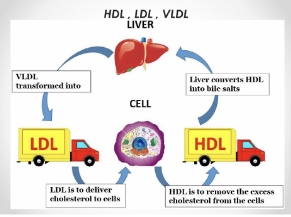
Regarding cholesterol, you may know there is “bad cholesterol” (LDL) and “good cholesterol” (HDL). But did you know that LDL and HDL, which are what we test for in bloodwork, are not actually cholesterols at all? They stand for Low-Density Lipoproteins and High-Density Lipoproteins, respectively. These LDL and HDL molecules transport cholesterol within our body; they are like “taxis” transporting “passengers” from the liver to various parts of the body where the cholesterol is needed. And cholesterol is needed! It is the precursor or building block to many hormones in our body, such as cortisol, vitamin D, and sex hormones like testosterone, estrogen, and progesterone. So, if you’re a male with low testosterone or a female going through menopause, sufficient cholesterol levels are essential. A few decades ago, the accepted level of total cholesterol listed on bloodwork results used to be higher and varied depending on the sex and age of the patient.

To simplify HDL vs. LDL: LDL transports cholesterol from the liver out to the cells and arteries within the body, whereas HDL transports these cholesterol passengers back to the liver, away from the arteries. Ideally, we don’t want too many of these cholesterol “passengers” to enter the arteries, where they can accumulate and block arteries, causing heart disease, which is why more LDL is typically bad. A big caveat here, though, is that to enter the arteries, there is a roadblock that has to do with the size of the individual cholesterol particles. As arteries have walls to keep toxins out, there are small gaps in these walls that allow cholesterol to enter. Think of a small opening or tunnel in this analogy. The smaller the cholesterol molecule, the easier it is to fit into this tunnel or get
inside the artery, where we don’t want it.

For this reason, our risk factor for heart disease depends not just on the quantity or number of the “bad” LDL, but also on how many of these LDLs are small vs. big, with smaller equating to higher risk. So, wouldn’t it make sense to test our blood for not just the amount of cholesterol and LDL, but also the size of these LDL particles? Well, this test does exist, but unfortunately, most primary care doctors do not order them.

Now, let’s say this cholesterol “particle-size test” comes back with high quantities of the “bad” small-sized LDL particles. Does this immediately mean you should go on a statin? Maybe, but while you may have more cholesterol particles getting into the arteries, we still don’t know how badly they are accumulating or causing “plaques” along with fats and calcium. However, again, there is an advanced test for this called a calcium score. This “score” correlates to the level of plaque, which hardens and narrows your blood vessels.

If these tests all come back with news of elevated risk for heart disease, then a statin may be in the discussion. But there are also non-pharmaceutical interventions that can be attempted first. For example, there are some natural supplements that can have the same effects as a statin and often may achieve the same outcome of reducing cholesterol. On top of this, lifestyle changes and assessing hormones that impact our need for cholesterol can help as well. While there is a little more to this, including genetics like familial hypercholesterolemia, it’s a fair summary of further steps that should be taken. If you would like to learn more about these natural approaches or have thorough testing done to examine your true risk for heart disease, you can schedule a functional medicine appointment where we can do a deep dive into this and more.